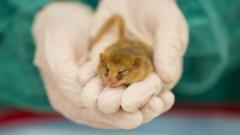
London Zoo has unveiled a brand new state-of-the-art animal hospital, funded by a mysterious £20 million anonymous donation that has left the institution buzzing with speculation about the identity of its generous benefactor.
The cutting-edge facility marks a significant milestone for one of the world's oldest and most celebrated zoos, offering a level of veterinary care that is expected to transform how the institution treats its diverse collection of animals.
One of the most striking features of the new hospital is its viewing areas, which allow members of the public to observe live veterinary procedures as they happen. The initiative aims to bring visitors closer than ever to the realities of animal care, offering a rare and educational glimpse into the medical work that takes place behind the scenes at the iconic north London attraction.
London Zoo, which first opened its gates in 1828, is home to hundreds of species and has long been at the forefront of conservation and animal welfare efforts. The addition of a purpose-built hospital underscores the zoo's ongoing commitment to providing world-class care for its residents.
The identity of the donor behind the extraordinary £20 million gift remains unknown, with zoo officials respecting the benefactor's wish to remain anonymous. Such a substantial private contribution is considered exceptionally rare in the charitable sector, and the gesture has drawn widespread admiration from conservationists and animal welfare advocates alike.
The Zoological Society of London, which operates the zoo, is expected to benefit enormously from the facility, which is set to improve outcomes for animals requiring complex medical treatment. The hospital is also anticipated to play a role in supporting broader conservation research and breeding programmes for endangered species.
For visitors, the chance to watch vets in action is expected to prove a major draw, adding a unique and compelling dimension to the zoo experience. Officials hope the transparent approach to animal healthcare will help inspire the next generation of veterinarians and conservationists.


