A Year On: Four Ways Trump's Tariffs Have Changed the Global Economy
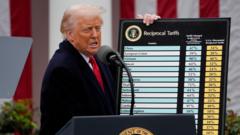
One year after the United States implemented sweeping tariff measures under President Donald Trump, the economic ripple effects continue to reshape trade relationships and financial systems across the globe. American tariffs now stand at their highest levels in decades, prompting widespread debate about the long-term consequences for businesses, consumers, and governments worldwide.
The tariffs, positioned by the Trump administration as a tool to protect American industries and reduce trade deficits, have triggered a chain reaction far beyond Washington's borders. Trading partners from Europe to Asia have been forced to reassess their economic strategies, with many nations implementing retaliatory measures in response to the sweeping import duties.
For American consumers, the changes have been felt most directly in the cost of everyday goods. Tariffs function effectively as a tax on imported products, and businesses facing higher costs on foreign materials have frequently passed those expenses down the supply chain to ordinary shoppers.
Global supply chains, already strained following years of disruption, have undergone significant restructuring in response to the new trade environment. Many multinational companies have been compelled to reconsider where they source materials and manufacture products, with some shifting operations to countries less affected by the tariff regime.
Emerging economies have experienced a mixed picture, with some nations benefiting from the redirection of trade flows while others have found themselves caught in the crossfire of larger geopolitical tensions. The uncertainty surrounding future trade policy has also made long-term investment planning increasingly difficult for businesses operating across international borders.
Economists remain divided on the overall impact of the measures. Supporters argue the tariffs have strengthened certain domestic industries and given the United States greater leverage in trade negotiations, while critics contend the costs outweigh the benefits and risk undermining the principles of free trade that underpinned decades of global economic growth.
As the one-year mark arrives, the fundamental question of whether the tariffs have achieved their intended goals remains deeply contested. What is clear, however, is that the global economic landscape looks measurably different than it did before, with consequences that analysts say will continue to unfold for years to come.