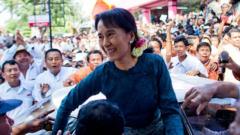
Aung San Suu Kyi, once celebrated as one of the world's most prominent democracy advocates, remains largely out of public view years after being removed from power in a sweeping military takeover that shocked the international community.
The former leader of Myanmar was ousted in a military coup in February 2021, when the country's armed forces, known as the Tatmadaw, seized control of the government and detained Suu Kyi along with other elected officials. The takeover abruptly ended the fragile democratic transition that had seen her party, the National League for Democracy, win a landslide election victory just months earlier.
Since her detention, little has been heard from the Nobel Peace Prize laureate, whose whereabouts and condition have remained largely unknown to the outside world. The military junta has kept a tight grip on information surrounding her custody, leaving supporters and international observers with few details about her wellbeing.
Suu Kyi's story is one of remarkable resilience and political sacrifice. She spent approximately 15 years under house arrest between 1989 and 2010, becoming a global symbol of peaceful resistance against authoritarian rule. Her eventual release and entry into mainstream politics raised hopes that Myanmar was charting a course toward lasting democratic governance.
The 2021 coup drew widespread international condemnation, with governments and human rights organizations around the world calling for her immediate release and the restoration of democratic rule. However, the military government has shown little sign of relinquishing its grip on power, and Myanmar has since descended into ongoing civil conflict.
The fate of Suu Kyi continues to draw concern from democracy advocates worldwide, who fear that one of Asia's most iconic political figures may be spending her final years in isolation. Her situation remains a stark reminder of the fragility of democratic progress in regions where military influence runs deep.