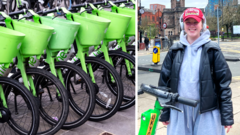
Bus or Lime Bike? New Subscription Heats Up the Race for a Cheaper Commute
The way city dwellers travel to work could be undergoing a significant shift, as e-scooter and e-bike services begin to rival — and in some cases undercut — the cost of traditional public transport options.
Lime, one of the leading providers of shared electric bikes and scooters in cities across the world, has introduced a new subscription model that is drawing fresh attention to the growing competition between micro-mobility services and established public transit networks such as buses and trains.
The development comes at a time when commuters are increasingly feeling the financial pressure of rising transport costs. For many workers in urban areas, the daily commute represents one of their most significant monthly expenses, making any cheaper alternative an attractive proposition.
E-bikes and e-scooters have grown rapidly in popularity over the past several years, with companies like Lime expanding their fleets across dozens of cities globally. What was once seen as a novelty or a leisure option is now being seriously considered as a practical, everyday mode of transport.
The shift also carries broader implications for urban planning and sustainability. Electric micro-mobility options produce significantly fewer emissions than traditional vehicles and can help reduce congestion in busy city centres, making them an appealing option not just for commuters but for local governments seeking greener transport solutions.
However, questions remain about whether subscription-based micro-mobility services can truly replace public transport for all commuters. Factors such as weather, distance, accessibility for older or disabled users, and the availability of safe cycling infrastructure could all influence how widely such alternatives are adopted.
For now, the introduction of more competitively priced e-bike and e-scooter subscriptions signals that the race for the urban commuter's wallet is well and truly underway, with traditional public transport providers facing fresh pressure to justify their fares.