First Stop, the Moon. Next Stop, Mars? Why Nasa's Mission Matters
The United States is pouring significant time, effort and money into returning humanity to the Moon, with ambitions that stretch far beyond the lunar surface toward the red planet itself. Nasa's renewed focus on deep space exploration has taken on fresh urgency as geopolitical rivalries and scientific opportunity align to push the programme forward.
At the heart of this renewed lunar push is a growing competition with China, which has made no secret of its own ambitions to establish a presence on the Moon. The race to return to the lunar surface carries echoes of the original Space Race of the 1960s, though this time the stakes extend well beyond national prestige.
The Moon itself remains a place of considerable scientific interest, with recent discoveries highlighting its potential as both a research destination and a stepping stone for deeper space exploration. Scientists believe the lunar surface could hold valuable resources and clues about the history of the solar system.
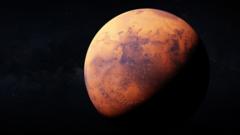
Beyond the Moon, Nasa has long identified Mars as a long-term destination for human spaceflight, and the agency sees the lunar programme as critical preparation for that eventual journey. The experience gained from operating in deep space, living and working on another world, and developing the necessary technologies is considered essential groundwork before any crewed mission to Mars could become feasible.
The investment required for these ambitions is substantial, and Nasa continues to make the case that the returns, both scientific and technological, justify the cost. Space exploration has historically driven innovation that benefits life on Earth, from advances in materials science to communications technology.
As the programme advances, the world will be watching closely to see whether the United States can achieve its goal of not only returning to the Moon but also laying the foundations for humanity's next great leap into the cosmos.


