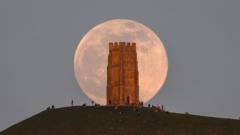
April's full Moon is set to grace the night sky, offering stargazers and sky watchers a stunning celestial display. Known as the Pink Moon, this month's lunar event has captured the curiosity of many who wonder both when to look up and how the Moon earned its distinctive name.
Despite its romantic title, the Pink Moon does not actually appear pink in colour. The name is rooted in tradition, historically derived from the pink wildflowers known as creeping phlox or moss phlox, which bloom across North America during the spring month of April.
The tradition of naming full Moons comes largely from Native American and early colonial American customs, where each monthly Moon was given a name tied to nature or the season. These names were practical tools used to track the changing seasons and were passed down through generations before becoming widely adopted in modern popular culture.
Full Moons occur roughly once every 29.5 days, as the Moon completes its orbit around Earth and becomes fully illuminated by the Sun. During a full Moon, the lunar surface is at its brightest, making it an ideal time for casual observers and photographers alike to enjoy the night sky without the need for specialist equipment.
To get the best view of the Pink Moon, observers are advised to find a location away from heavy light pollution, such as a park, open field, or elevated area with a clear horizon. The Moon typically appears most spectacular shortly after it rises, when it sits low on the horizon and takes on a warm, golden hue due to the way light travels through the Earth's atmosphere.
Whether viewed from a city window or a rural hillside, April's full Pink Moon serves as a timely reminder of the natural world's calendar and the rich cultural heritage behind the names humans have given to the skies above them.