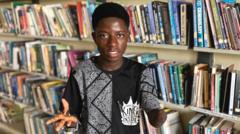
A Nigerian student who endured torture and lost his hand has spoken to the BBC about his remarkable determination to pursue an education, highlighting the significant barriers faced by people with disabilities in accessing academic institutions across the country.
The student's journey took an extraordinary turn when he was forced to advocate for himself at his institution, pushing officials to accept a toe print as a means of verifying his identity — an accommodation that should have been straightforward but required considerable personal effort to secure.
The case draws attention to the broader challenges surrounding biometric identification systems used in Nigerian schools and universities, which are typically designed around fingerprint scanning technology. For students who have lost limbs or have conditions affecting their hands, such systems can present an immediate and deeply frustrating barrier to simply proving who they are.
Nigeria has long struggled with ensuring equal access to education for students living with disabilities. Despite constitutional provisions and various legislative efforts aimed at protecting the rights of disabled citizens, implementation and enforcement at the institutional level often remains inconsistent.
The student's ordeal, which involved both the physical trauma of losing his hand and the subsequent bureaucratic obstacles placed in his path, underscores a systemic failure to anticipate and accommodate the needs of all learners. His willingness to speak publicly about his experience is seen as a courageous step toward prompting change.
Disability rights advocates have repeatedly called on Nigerian educational institutions and government bodies to review and reform identification and registration processes to ensure they are inclusive. The use of alternative biometric identifiers, such as iris scans or toe prints, exists as a practical solution that many institutions have yet to fully embrace.
The student's story, as told to the BBC, serves as a powerful reminder that the pursuit of education can demand far more from some individuals than others, and that institutional change is urgently needed to level the playing field for students with disabilities across Nigeria.