Israeli Military Veterans, a Backbone of Protest Movement, Vow to Keep Demonstrating
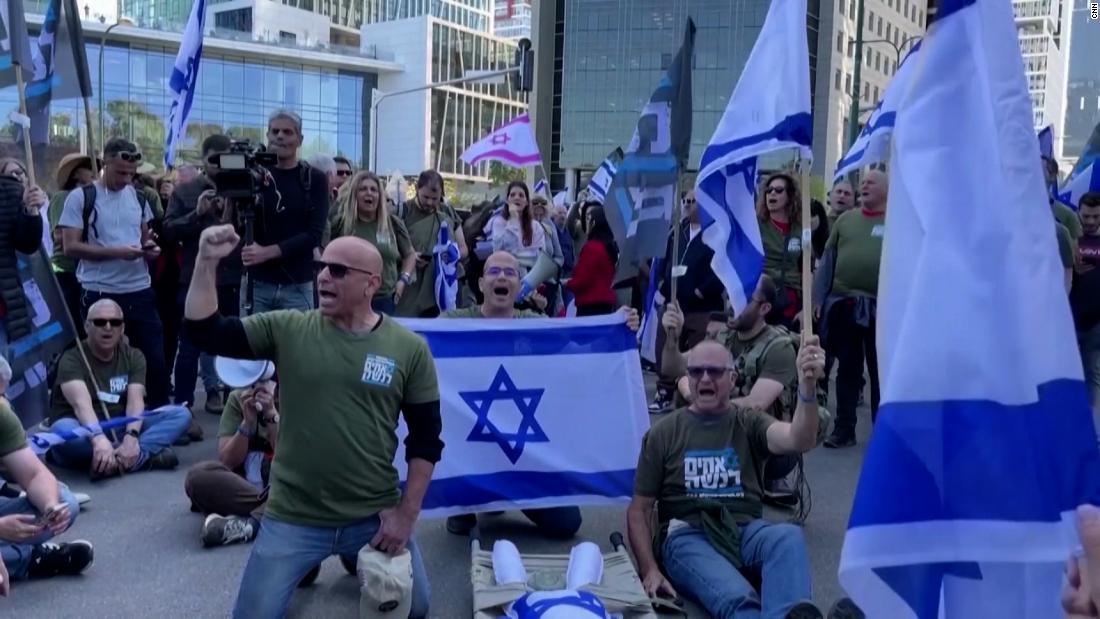
Among the crowds of demonstrators flooding the streets of Israel, one figure stands out with a flag that tells a different story. Yiftach Golov, an Israeli military veteran, carries a banner that sets him apart from the sea of standard Israeli flags surrounding him, symbolizing the growing role that former soldiers are playing in the country's ongoing protest movement.
Israeli military veterans have emerged as a powerful and visible force within the mass demonstrations that have gripped the nation in recent months. Their participation carries particular weight in a society where military service is compulsory and the armed forces are held in deep cultural reverence, lending a distinctive credibility to their dissent.
The protests originally ignited over the government's controversial judicial overhaul plan, which critics argued would significantly weaken the country's independent judiciary and concentrate power within the ruling coalition. The movement has since grown into one of the largest sustained protest campaigns in Israeli history, drawing hundreds of thousands of participants across multiple cities week after week.
Veterans joining the demonstrations have added a dimension that the government has found difficult to dismiss. In Israel, where military service forms a foundational part of national identity, former soldiers speaking out against government policy carries a symbolic resonance that transcends ordinary civic activism.
Many of the veterans involved have signaled that they have no intention of standing down, vowing to continue their demonstrations regardless of political pressure or potential consequences. Their commitment underscores the depth of feeling among a segment of Israeli society that has long been considered among its most patriotic and duty-bound citizens.
The sustained nature of the protest movement has placed significant pressure on Prime Minister Benjamin Netanyahu's government, which has faced criticism both domestically and from international allies over the proposed reforms. Observers note that the continued involvement of respected community figures such as military veterans could prove decisive in shaping the movement's long-term influence on Israeli politics and governance.