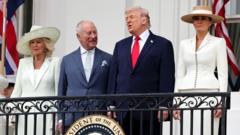
Jokes, Gifts and a State Dinner: Washington Rolls Out Red Carpet for King and Queen
The United States capital pulled out all the stops to welcome the British monarch and his consort, as Washington rolled out its grandest traditions of diplomatic ceremony and pageantry for a high-profile state visit.
The centrepiece of the occasion was a formal White House state dinner, one of the most prestigious events the American government can offer a foreign dignitary. Such occasions are typically reserved for the closest of allies and carry significant symbolic weight in the world of international diplomacy.
Among the highlights of the evening was an exchange of gifts between the two heads of state, with the King presenting the US president with a bell recovered from HMS Trump, a British submarine that served during the Second World War. The gesture was widely seen as a thoughtful and historically resonant tribute, drawing an unexpected personal connection between the two nations' leaders through the vessel's remarkable namesake.
The wartime submarine, which shares its name with the American president, provided a natural talking point and a touch of humour to the proceedings, lightening the atmosphere of what is traditionally a formal and carefully choreographed affair. State visits between the United Kingdom and the United States are historically laden with symbolism, reflecting the so-called special relationship that has defined Anglo-American ties for decades.
The visit underscored the enduring strength of that relationship, with both sides keen to emphasise shared values and longstanding bonds of friendship and cooperation. Britain and America have maintained close diplomatic, military and cultural ties since the Second World War, and state visits of this nature serve as a powerful reaffirmation of that partnership.
The inclusion of jokes and lighter moments throughout the visit suggested a warm personal rapport between the two leaders, a dynamic that diplomats and analysts often point to as an important factor in shaping productive international relationships. Such occasions serve not only as celebrations of bilateral ties but also as opportunities to set the tone for future engagement on issues of mutual concern.