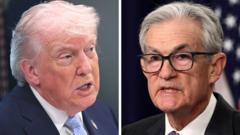
Numbskull, Moron and Too Stupid: Inside the Bitter Feud Between Trump and Powell
The relationship between United States President Donald Trump and Federal Reserve Chair Jerome Powell has been anything but conventional, evolving into one of the most publicly contentious battles between a sitting president and the nation's top central banker in modern American history.
Trump, never one to shy away from colourful language, has reportedly directed a string of personal insults toward Powell, with descriptions including numbskull, moron and accusations that he is simply too stupid to carry out his role effectively. The extraordinary exchanges have stunned political observers and financial markets alike, raising serious questions about the independence of the Federal Reserve.
At the heart of the dispute lies a fundamental disagreement over monetary policy. Trump has consistently pushed for lower interest rates, arguing that cheaper borrowing costs would stimulate economic growth and strengthen his political standing. Powell, however, has prioritised the Fed's mandate of controlling inflation and maintaining economic stability, often resisting pressure to cut rates on the president's timeline.
The Federal Reserve was designed as an independent institution, deliberately insulated from political interference to ensure that monetary decisions are made on economic grounds rather than for short-term political gain. Trump's vocal attacks on Powell represent a significant departure from the norms that have traditionally governed the relationship between the White House and the central bank.
Powell, who was originally appointed to lead the Fed during Trump's first term in office, has largely maintained a composed and measured public stance throughout the ordeal. He has consistently affirmed the institution's commitment to independence and data-driven decision making, even as presidential pressure has intensified.
The ongoing clash has unsettled global financial markets, with investors closely watching for any signs that the Fed's autonomy could be genuinely compromised. Many economists warn that political interference in central bank policy could have serious long-term consequences for economic stability and America's credibility in international financial circles.