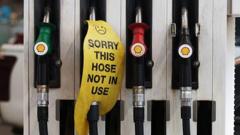
Australian Prime Minister Anthony Albanese has stepped in to reassure the nation that fuel supplies remain stable, following widespread reports of panic buying and shortages at service stations across the country.
Albanese sought to calm public anxieties by declaring that Australia's fuel supply is "secure," urging residents to avoid unnecessary stockpiling that could further strain distribution networks and create artificial shortages.
The scenes at petrol stations are reminiscent of panic buying episodes seen in other countries in recent years, where public anxiety over supply disruptions has led to queues, empty forecourts, and rationing measures. Such behaviour typically exacerbates the very shortages that consumers fear, creating a self-fulfilling cycle of scarcity.
Australia has historically been vulnerable to fuel supply concerns due to its geographic isolation and heavy reliance on imported refined petroleum products. The country has faced ongoing scrutiny over the adequacy of its fuel reserves, with experts previously warning that domestic stockpiles could leave the nation exposed during global supply disruptions.
The Prime Minister's public intervention reflects the sensitivity surrounding essential commodity supplies and the potential for public confidence to rapidly deteriorate when shortages are perceived. Government reassurances in such situations are typically aimed at discouraging hoarding behaviour before it escalates into a wider crisis.
Authorities are continuing to monitor the situation closely as the government works to ensure distribution channels remain operational and that supplies reach communities across the country without interruption. Residents have been encouraged to purchase fuel only as needed rather than topping up unnecessarily or filling additional containers.
The episode underscores the broader challenge governments face in managing public perception during periods of supply uncertainty, where the speed of social media communication can accelerate panic well ahead of any actual shortage materialising.