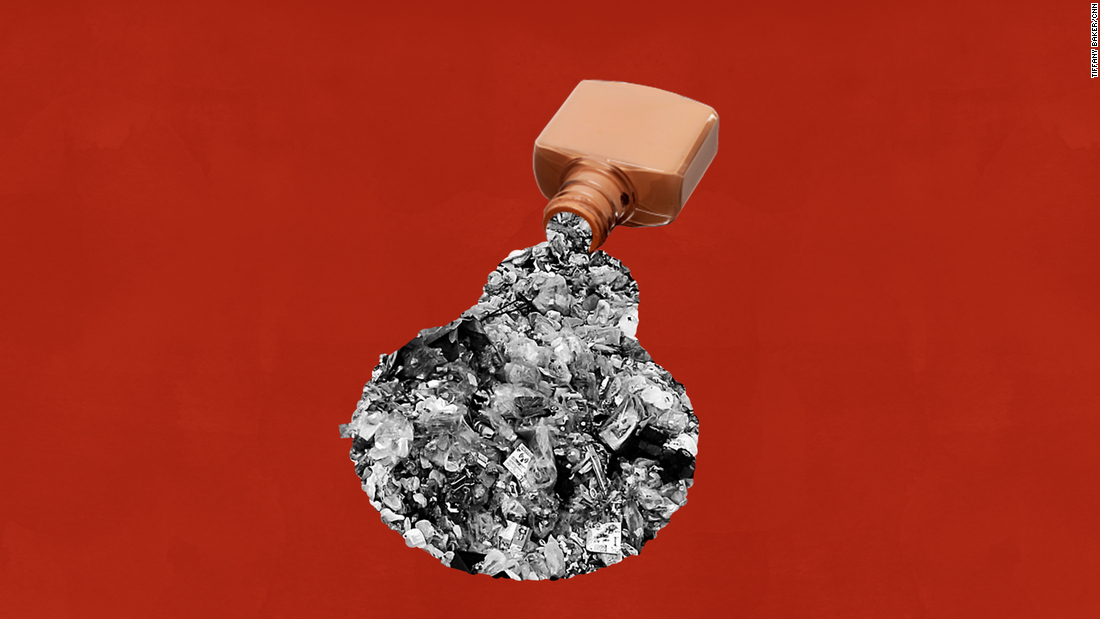
The global beauty industry, valued at an estimated $500 billion, is facing mounting scrutiny over its environmental commitments as consumers increasingly demand more sustainable products and practices. Despite growing awareness and pledges from major brands, experts suggest the industry's green efforts remain fragmented and largely insufficient in addressing the scale of the problem.
As the climate crisis continues to intensify, it is fundamentally reshaping how consumers approach their purchasing decisions. This shift in mindset is placing enormous pressure on beauty companies to rethink every stage of their operations, from how products are manufactured to how they are packaged and ultimately disposed of.
The beauty industry faces a uniquely complex set of sustainability challenges. Products often rely on resource-intensive ingredients, plastic-heavy packaging, and global supply chains that carry significant carbon footprints, making a wholesale transformation of the sector an enormous undertaking.
While many leading beauty brands have introduced eco-friendly product lines, refillable containers, and pledges to reduce plastic waste, critics argue these efforts remain piecemeal rather than systemic. The lack of universal standards and consistent regulation across markets means that sustainability claims can vary widely in their credibility and impact.
Consumers themselves are navigating a confusing landscape, where terms like "clean," "natural," and "eco-friendly" are used liberally but are rarely subject to strict oversight. This so-called greenwashing has made it increasingly difficult for shoppers to distinguish genuine environmental progress from marketing strategy.
Industry analysts note that meaningful change will require far more than cosmetic adjustments. A genuine transformation would demand significant investment in biodegradable materials, cleaner production processes, and transparent supply chain reporting that holds companies accountable to measurable targets.
The pressure is unlikely to ease. As climate concerns grow louder among younger consumer demographics, beauty companies that fail to demonstrate authentic and comprehensive sustainability commitments risk losing market relevance. The industry now faces a critical juncture, where the gap between ambition and action can no longer be ignored.