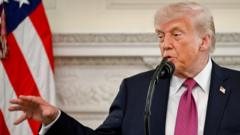
Trump Buys Time for Iran Deal After Frantic Day of Diplomacy
President Donald Trump has once again stepped back from the brink of escalating tensions with Iran, choosing diplomacy over confrontation following a frenetic day of behind-the-scenes negotiations. The decision marked the second occasion in as many weeks that the president has pulled back from a threat that risked pushing the two nations closer to open conflict.
The move came after what sources described as an intense period of diplomatic activity, with officials working furiously to explore the possibility of a negotiated resolution to the long-standing dispute over Iran's nuclear programme. The frantic pace of talks underscored both the urgency of the situation and the fragile nature of the diplomatic path forward.
By choosing to buy more time rather than escalate, Trump has signalled that he remains open to a diplomatic solution, even as tensions between Washington and Tehran have remained dangerously high. The pattern of threatening action and then holding back has become a notable feature of the administration's approach to the Iran crisis.
Relations between the United States and Iran have been strained for decades, reaching a particularly volatile point in recent years over Iran's nuclear ambitions. Western nations, including the US, have long accused Tehran of pursuing a pathway to nuclear weapons, a charge Iran has consistently denied, insisting its programme is for peaceful purposes.
The original nuclear deal, known as the Joint Comprehensive Plan of Action, was abandoned by Trump during his first term in office, triggering a sustained period of maximum pressure sanctions and heightened regional instability. Efforts to revive or replace that agreement have faced repeated setbacks, with both sides struggling to find common ground.
The latest diplomatic reprieve will likely be welcomed by international partners who have urged restraint and a return to negotiations. However, analysts warn that without a concrete agreement, the cycle of brinkmanship could continue, leaving the broader Middle East region exposed to the risk of miscalculation. The coming weeks are expected to prove critical in determining whether this pause in pressure can translate into meaningful progress at the negotiating table.