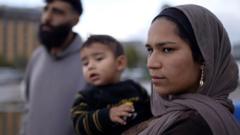
Hundreds of migrants took to the streets in southern Mexico on Wednesday, staging a march to protest what they describe as increasingly harsh immigration restrictions that have made their journey through the country more dangerous and uncertain.
The demonstration, which took place in the Chiapas region near Mexico's border with Guatemala, saw participants carrying banners and chanting slogans as they pushed back against enforcement measures that have intensified in recent years along one of the world's busiest migration corridors.
The march comes amid growing scrutiny over the relationship between United States and Mexican immigration authorities, after a US court suggested there may be a secret deportation agreement between the two countries. The revelation has raised serious concerns among migrant rights advocates who argue that such undisclosed arrangements undermine transparency and due process for vulnerable populations.
Mexico has long served as both a transit country and, increasingly, a destination for migrants fleeing poverty, violence, and political instability across Central and South America. In recent years, under pressure from Washington, Mexican authorities have significantly ramped up enforcement operations, deploying the National Guard and immigration agents to intercept and detain migrants before they reach the US border.
Critics argue that these crackdowns, many of which are believed to be tied to agreements with the United States, have pushed migrants into more dangerous routes and left them exposed to criminal networks, extortion, and abuse. Human rights organizations have repeatedly documented cases of migrants facing violent attacks and exploitation while attempting to navigate Mexico's southern states.
The alleged secret deportation pact, if confirmed, would add another layer of controversy to the already fraught immigration policies that have shaped relations between Washington and Mexico City in recent years. Activists say migrants deserve to know the legal frameworks governing their movement and removal.
For many of those who marched, the demonstration represented not only a protest against current policy but also a demand for dignity and recognition of their rights. The crowd included families with children, single adults, and people who said they had been waiting months for any progress in their cases.
The broader situation reflects the ongoing tension between national security concerns and humanitarian obligations as record numbers of people continue to move northward through the Americas in search of safety and opportunity.