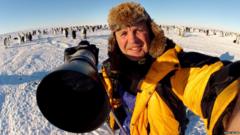
Pioneering wildlife cameraman and photographer Doug Allan has died in Nepal, leaving behind a remarkable legacy that helped bring the natural world to millions of viewers around the globe.
Allan was celebrated for his extraordinary work in some of the most challenging and remote environments on Earth, capturing breathtaking footage that helped define landmark natural history television. He won eight Emmy Awards over the course of his distinguished career, a testament to the exceptional quality and dedication he brought to his craft.
Among his most acclaimed work was his contribution to the BBC's Blue Planet series, which he produced alongside the legendary Sir David Attenborough. The groundbreaking series, which explored the world's oceans and marine life in stunning detail, became one of the most celebrated nature documentaries ever made and is widely credited with raising global awareness about ocean conservation.
Allan was renowned for his ability to work in extreme conditions, including the freezing waters of the Arctic and Antarctic, where he captured footage that few other cameramen would dare attempt. His willingness to push physical and technical boundaries earned him enormous respect among peers and colleagues in the wildlife filmmaking industry.
His work helped forge a new standard for natural history programming, inspiring a generation of filmmakers and nature enthusiasts. The sweeping, intimate footage he captured gave audiences around the world an unprecedented window into ecosystems and animal behaviours that would otherwise remain entirely unseen.
The news of his passing in Nepal has prompted an outpouring of tributes from the broadcasting and conservation communities, who have remembered him as a true pioneer of his field. His contributions to natural history filmmaking and his role in shaping public understanding of the natural world are widely regarded as immeasurable.
Doug Allan leaves behind a body of work that will continue to educate, inspire and move audiences for generations to come.