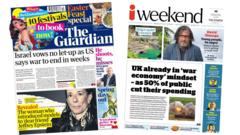
Saturday's front pages are dominated by two major stories gripping both sides of the Atlantic, as the United States signals a potential end to the ongoing Middle East conflict and British households continue to feel the squeeze on their finances.
Several leading newspapers are leading with reports that the US has indicated the war in the Middle East could be brought to a conclusion within a matter of weeks. The statement has drawn significant attention from international observers and policymakers, raising cautious hopes that a prolonged and devastating conflict may be approaching its final chapter.
The prospect of a ceasefire or resolution has been met with a mixture of relief and scepticism, given the complex web of political, military, and humanitarian factors at play across the region. The Middle East conflict has resulted in widespread destruction and a mounting humanitarian crisis, placing enormous pressure on international diplomatic efforts to broker a lasting peace.
On the domestic front, the economic picture painted by Saturday's papers makes for sobering reading for millions of British families. Reporting suggests that around half of the UK public has been forced to cut back on their spending, reflecting the continued strain that rising costs and economic uncertainty are placing on household budgets across the country.
The figures highlight the ongoing challenges facing ordinary people as they navigate a difficult financial landscape. Despite some signs of broader economic stabilisation, many families are still grappling with the legacy of high inflation and increased living costs that have eroded purchasing power in recent years.
The convergence of these two major stories on Saturday's front pages underscores a week of significant global and domestic developments. From the corridors of Westminster to living rooms across Britain, the headlines reflect an anxious public watching both the international stage and their own bank balances with growing concern.