Warning Signs Mount for Trump as Iran Tensions Drive Up Gas Prices and Erode Approval Ratings
Three key data points are emerging as potential political vulnerabilities for President Donald Trump, as escalating tensions with Iran begin to ripple through the American economy and shift public sentiment in ways that could prove costly.
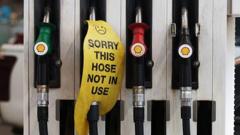
At the center of the concern is the rising cost of gasoline, a metric that historically carries enormous weight with everyday American voters. When prices at the pump climb, consumer confidence tends to fall, and the political consequences for sitting presidents have often been severe.
Trump's approval ratings are now heading into what analysts consider politically dangerous territory, according to new analysis from BBC News. Approval numbers that dip to certain thresholds have historically made governing more difficult and can signal broader challenges ahead, particularly as the administration navigates a complex foreign policy standoff.
The situation with Iran has long carried the potential to destabilize global energy markets. The Persian Gulf region remains one of the most critical chokepoints for oil supply worldwide, and any military escalation or even the perception of imminent conflict can send crude oil prices upward almost immediately.
For American consumers, those upstream market movements translate directly to what they see on roadside gas station signs. That immediate, tangible connection between foreign policy and household budgets makes the Iran situation particularly sensitive from a domestic political standpoint.
Historically, presidents who have presided over significant increases in fuel costs have faced intensified scrutiny from both opposition lawmakers and their own political base. The relationship between economic discomfort and presidential popularity is one of the most well-documented patterns in modern American politics.
With the warning charts now drawing attention in major international outlets, the White House faces mounting pressure to manage both the geopolitical dimensions of the Iran standoff and the economic anxieties it is generating among ordinary Americans who may have little interest in foreign policy but feel its consequences every time they fill their tanks.