European leaders find themselves caught in an increasingly uncomfortable position as U.S. President Donald Trump's aggressive posturing toward Iran forces them to navigate a political minefield with consequences on both sides of the Atlantic.
The dilemma is stark: European governments risk alienating their own voters if they align too closely with American military ambitions in the region, yet standing aside entirely carries its own set of dangerous political consequences at home.
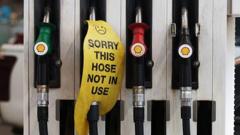
At the heart of the crisis lies Iran's blockade of critical shipping routes, a move that has sent economic shockwaves across Europe and contributed to a deepening energy crisis affecting millions of ordinary citizens. The disruption to maritime trade has compounded existing pressures on European economies still recovering from years of energy volatility stemming from the war in Ukraine.
For European leaders, the political calculus is deeply complex. Public sentiment across much of the continent remains broadly skeptical of military entanglements in the Middle East, particularly any action perceived as being driven by Washington's agenda rather than European interests.
Yet the cost of inaction is equally difficult to defend to domestic audiences. Rising energy prices and disrupted supply chains translate directly into household hardship, and voters are increasingly demanding that their governments find solutions to reopen vital trade corridors.
Trump's threats have added another layer of pressure, effectively forcing European capitals to choose a side before they may feel diplomatically or militarily prepared to do so. The Trump administration has historically shown little patience for European hesitation, viewing it as obstructionism rather than pragmatic caution.
The situation reflects a broader tension that has long defined the transatlantic relationship, particularly under Trump's leadership, where European allies often find their sovereignty and independent judgment tested by Washington's demands for solidarity.
Analysts suggest that European leaders may attempt to pursue a middle path, engaging in diplomatic efforts to ease tensions with Tehran while stopping short of explicit military commitments. Whether such a balancing act can hold under sustained pressure from both Washington and frustrated domestic constituencies remains an open and pressing question for the continent's political class.