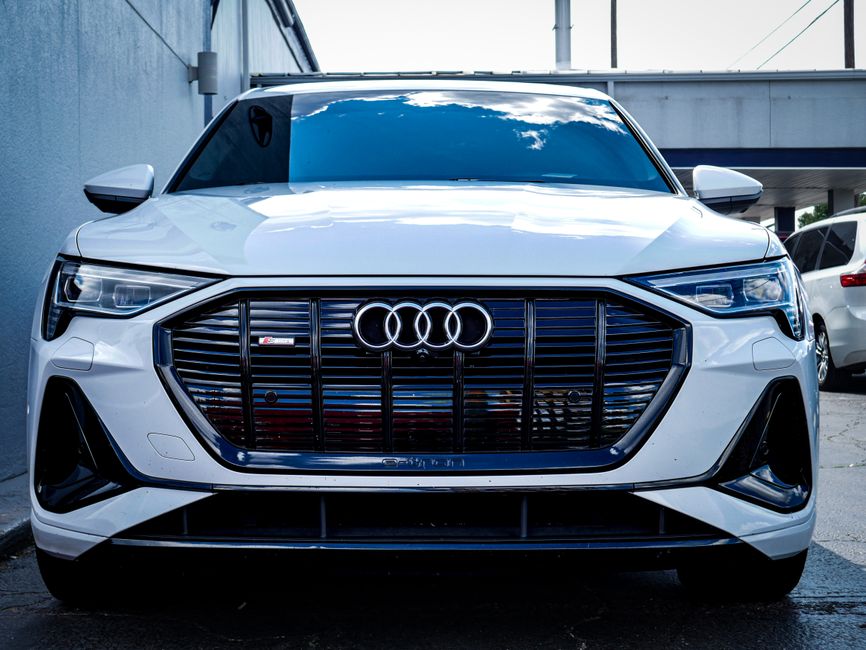
The Verge is reporting that Audi has unveiled the A2 E-tron, described as the most affordable and energy-efficient electric vehicle the German automaker has produced to date, positioning it as a rare proposition in a segment where price and efficiency have historically traded off against each other.
To understand why this matters, it helps to step back and consider where Audi sits in the broader electric vehicle landscape. Volkswagen Group, Audi's parent company, has spent the better part of the last decade attempting to democratize EV technology across its vast portfolio of brands — from the entry-level offerings at Volkswagen itself, through Skoda and SEAT, all the way up to Audi and Porsche at the premium end. The challenge for Audi specifically has been a brand identity problem: it built its reputation on aspirational pricing and premium engineering, which made it structurally difficult to compete in the more accessible tier of the EV market without risking dilution of the marque. Every time the company pushed downward in price, it bumped against the ceiling of what its own brand managers were comfortable offering.
That tension is not unique to Audi. The premium European automakers — BMW, Mercedes-Benz, and Audi chief among them — have all grappled with the same strategic bind. They watched Tesla carve out a curious middle space, selling vehicles that were expensive enough to feel aspirational but engineered with a Silicon Valley directness that bypassed traditional luxury cues entirely. Then they watched Chinese manufacturers, particularly BYD and a wave of smaller brands, begin producing genuinely efficient EVs at price points that European legacy automakers have struggled to match without restructuring their cost bases.
The efficiency side of the equation is arguably the more technically interesting dimension here. Range anxiety, for all the progress the industry has made, has not gone away entirely, and it is disproportionately a concern for buyers in the more affordable segments. Wealthier buyers can install home charging infrastructure, can afford vehicles with larger battery packs, and can absorb the occasional inconvenience. Buyers purchasing at the lower end of a premium brand's lineup are far less likely to have that flexibility. An affordable vehicle that does not compromise on efficiency therefore addresses a real behavioral barrier, not just a marketing talking point.
The name itself carries meaning worth noting. The original Audi A2, produced between 1999 and 2005, was itself an exercise in engineering ambition at an accessible price — an aluminum-bodied, aerodynamically optimized small car that was ahead of its time commercially, even if the market was not quite ready for it. Reviving the A2 nameplate for an electric vehicle is a deliberate signal. Audi is invoking a piece of its own history that is associated with clever, lightweight, efficiency-first thinking, and it is doing so at a moment when those values align with where the EV market needs to go.
The consequences of this announcement ripple outward in a few directions. For Audi's competitors within the Volkswagen Group ecosystem, the A2 E-tron creates an interesting internal question about brand separation. If Audi can produce an affordable, efficient EV, what distinguishes it at the lower price tier from a well-specced Volkswagen ID model? Group management will need to think carefully about how it positions these products against one another without cannibalizing sales across its own brands. This is a perennial challenge for multi-brand automotive conglomerates, and electric vehicles have made it more acute because the underlying platform technology is more shareable than ever.
For consumers, the likely reading is a positive one, at least in the medium term. More competition at the affordable-yet-efficient end of the market creates pressure on all manufacturers. If Audi can credibly deliver on both dimensions, it forces rivals to respond. Hyundai and Kia have already demonstrated that non-luxury brands can achieve impressive efficiency at moderate prices. A premium nameplate entering that conversation with genuine engineering credentials raises the bar.
For the broader industry, this suggests that the argument once used to justify expensive EVs — that energy density and range simply cost money — is weakening. Battery costs have declined substantially over time, and aerodynamic and software efficiency gains are increasingly accessible regardless of price tier. The efficiency-affordability tradeoff was always partly a function of where manufacturers chose to invest their engineering resources. The A2 E-tron, if it delivers what Audi is promising, is evidence that the choice is becoming easier.
What to watch next is straightforward. The gap between announcement and delivery is where these promises are tested. Pricing specifics, real-world range figures from independent testing, and the geographic rollout plan — particularly whether the A2 E-tron reaches markets outside Europe — will determine whether this is a genuine strategic shift or a well-timed headline. Audi's ability to hold the line on price once the vehicle reaches production will be the most telling indicator of whether the company has genuinely solved the equation or simply previewed it.