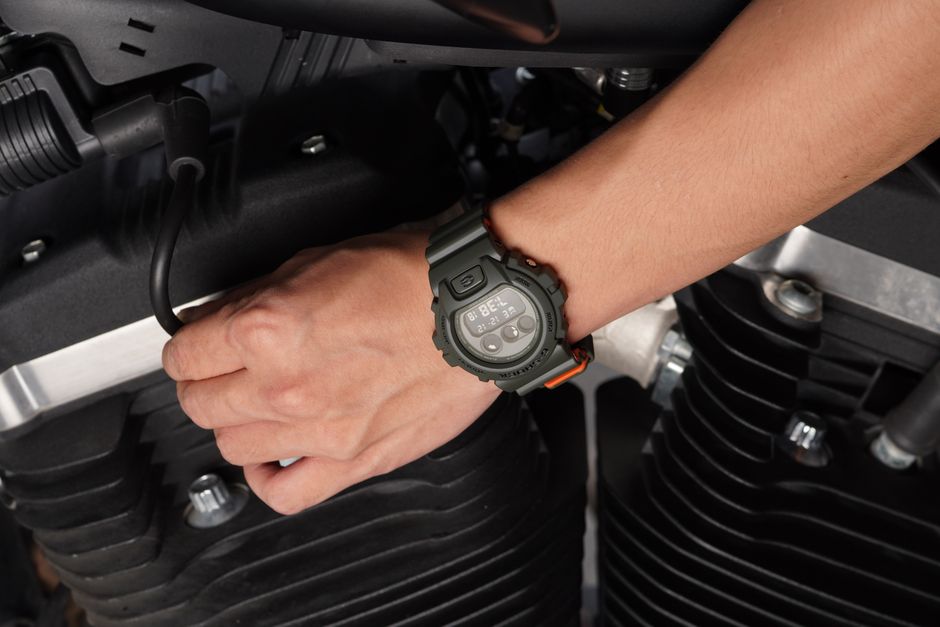
Casio is preparing to release a new high-end G-Shock series, according to Wired, with the GMC-2500 and GAC-2500 models forming what the outlet describes as an apparent successor to the beloved "CasiOak" line. The new range has been internally dubbed "CasioNaut," suggesting a design direction that leans into aquatic or exploratory aesthetics.
To understand why this matters, it helps to understand what the CasiOak became. The original G-Shock GA-2100, which earned its nickname by virtue of its octagonal bezel echoing the silhouette of the Royal Oak — Audemars Piguet's iconic and astronomically expensive luxury sports watch — was never intended to become a cultural phenomenon. Casio priced it accessibly, built it with the brand's trademark ruggedness, and watched it develop a following that cut across demographics: watch collectors, streetwear enthusiasts, and everyday consumers who simply wanted a handsome, durable timepiece without spending thousands. The CasiOak became one of the more quietly significant watch stories of recent years, demonstrating that appetite for thoughtful design at a modest price point was genuinely vast and underserved.
Casio has always occupied a peculiar position in the watch industry. It is simultaneously a mass-market electronics brand and a cult object among those who appreciate its heritage of precision engineering. The G-Shock line, introduced in the 1980s as a near-indestructible tool watch, gradually accumulated decades of credibility. That foundation made the CasiOak's success possible — consumers trusted that the design sophistication was not skin-deep. A follow-up, if executed well, inherits that trust automatically.
The naming convention here is worth examining. "CasioNaut" evokes the tradition of diving and instrument watches — Rolex's Submariner, the Omega Seamaster, and the broader genre of professional aquatic timepieces that have long carried aspirational weight in the watch world. Casio would be wise not to overextend the analogy, since the brand's power has always come from delivering genuine value rather than positioning itself as a luxury alternative. But the framing suggests the company is at least reaching toward a more capable, more premium specification than what the original CasiOak offered, while presumably keeping the price within reach of the audience that made that watch a success.
The likely consequences of a well-received CasioNaut launch are significant in several directions. For Casio, it represents an opportunity to convert the cultural momentum of the CasiOak into a sustained product family rather than a single hit. Watch brands live and die by their ability to build coherent lines; if the GMC-2500 and GAC-2500 land with the same organic enthusiasm as their predecessor, Casio will have established something closer to a genuine design language in the premium-accessible tier of the market.
For the broader watch industry, a successful follow-up reinforces a pressure that established luxury brands have been slow to acknowledge. The so-called "affordable luxury" segment has been dominated for years by brands that charge several hundred to a few thousand dollars for watches whose design frequently leans on the vocabulary established by their far more expensive counterparts. Casio entering that conversation with the legitimacy of its engineering reputation forces a genuine reckoning about what consumers are actually paying for. The likely reading is that some buyers will re-examine whether the premium they pay for midrange Swiss or Japanese competitors is warranted, particularly if the CasioNaut demonstrates similar aesthetic ambition.
For collectors and the resale market, the dynamics of the CasiOak are instructive. That watch commanded premiums above its retail price during periods of peak demand, an outcome Casio almost certainly did not engineer deliberately. If the CasioNaut generates comparable interest, secondary market activity will follow quickly, which creates its own complications around availability and the brand's relationship with its core audience.
Several things are worth watching as this release approaches. The pricing will be the first real signal of how Casio is positioning the line — a significant step up from the CasiOak's entry point would suggest a deliberate push toward a more premium identity, while a more modest increase would indicate the company is prioritizing accessibility and volume. The material specification and movement details, once confirmed, will tell analysts and enthusiasts how much engineering development went into the series versus how much is aesthetic refinement. And the initial retail allocation strategy will matter enormously: if supply is managed tightly, the CasioNaut risks becoming a frustrating collector's item rather than the broadly accessible success its predecessor was.
The watch industry does not produce many genuine cultural surprises. The CasiOak was one. Whether Casio can repeat it is the central question hanging over everything Wired has reported here.