Microsoft is planning a major hardware and software showcase for October 7th in San Francisco, according to The Verge. The event, the first significant Windows-focused gathering in more than two years, is framed around the future of Windows and Surface devices, with local artificial intelligence positioned as the central theme.
The two-year gap is not incidental context — it is the story. Microsoft has spent much of that intervening period in a state of strategic recalibration around AI, moving from the cloud-first, subscription-heavy posture that defined the Satya Nadella era's early chapters toward something newer and, for the company, more unfamiliar: a bet that meaningful AI computation should happen directly on the device rather than exclusively through a data center. That pivot has been visible in the company's hardware ambitions for some time, but it has rarely been articulated with the kind of public ceremony that an in-person event in San Francisco implies.
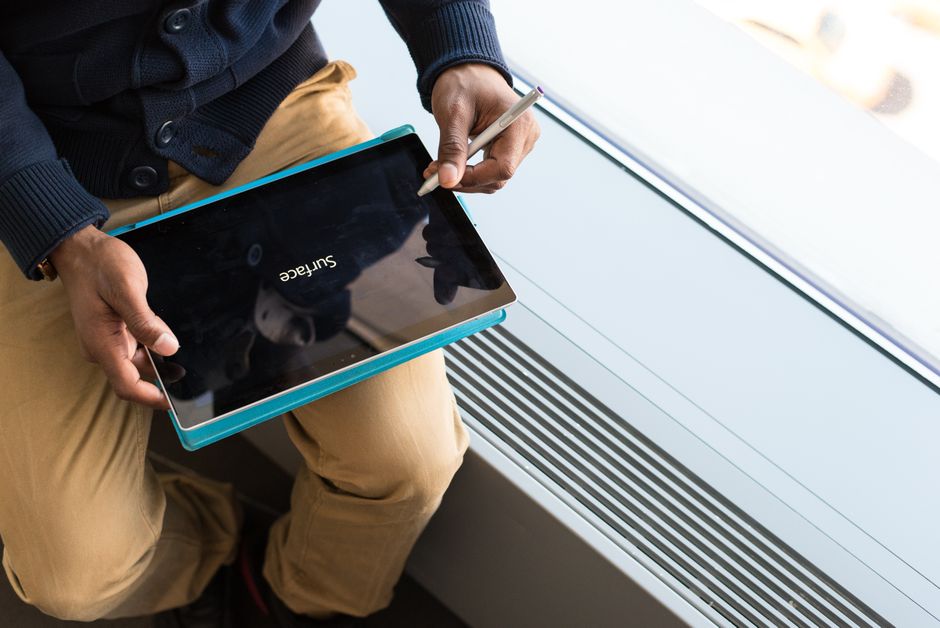
Surface, Microsoft's own-brand hardware line, has had a complicated decade. Launched originally as a proof-of-concept to show PC manufacturers what Windows hardware could look like, it gradually matured into a genuine product family with loyal users among creative professionals and enterprise buyers. It has never been a volume business, but it has always served a strategic function: demonstrating platform possibilities. If Microsoft is bringing Surface back to center stage alongside a Windows narrative built around local AI, the likely reading is that the company wants to use its own devices as the clearest illustration of what this next chapter actually means in practice.
Local AI — sometimes called on-device AI or edge AI — is the industry's current answer to a question that has been building since large language models became consumer products. Running powerful AI features through the cloud is expensive, creates latency, and raises privacy concerns that enterprises and regulators are increasingly unwilling to dismiss. The solution being pursued across the chip and device industries is to build hardware capable of running capable AI models without a persistent internet connection. Qualcomm has been particularly aggressive here with its Snapdragon X series processors, and Apple has made on-device AI a cornerstone of its Apple Intelligence marketing. Intel and AMD have followed with their own neural processing unit designs. Microsoft, as the software layer sitting above all of that hardware, is in a position to either unify that ecosystem or find itself fragmented across it.
The timing also lands at an interesting moment for Windows itself. The operating system has been under quiet pressure: PC sales softened significantly in the post-pandemic correction, and the ambitious Copilot integration that Microsoft rolled out over the past year has received a mixed reception from users who found it either intrusive or underwhelming. Windows 11 adoption, while growing, has moved more slowly than Microsoft would prefer. An event that reframes Windows not as an upgrade cycle story but as an AI platform story is a way of resetting that narrative — giving the press and the developer community a new lens through which to view an operating system that some corners of the industry have treated as background infrastructure rather than an active innovation frontier.
For consumers, the near-term consequences are likely modest. Events like this tend to generate announcement energy that takes months to translate into products on shelves. But for the PC industry more broadly, the signal matters. Original equipment manufacturers watch what Microsoft emphasizes at events like this and adjust their own roadmaps accordingly. If local AI and the hardware requirements it implies become the organizing principle of the Windows ecosystem, that has implications for which processor architectures get design wins, which devices get marketed most aggressively, and where the premium tier of the PC market migrates over the next few years.
For enterprise IT departments, the consequences could arrive faster. Businesses that manage large Windows fleets are perpetually making decisions about refresh cycles and capability requirements. A clear statement from Microsoft about where the platform is heading — and what hardware will be needed to run its most important features — feeds directly into procurement planning that happens on long timelines.
The questions worth tracking after October 7th are several. Whether Microsoft uses the event to announce new Surface hardware built specifically around on-device AI capabilities, or whether it leans more heavily on software and ecosystem framing, will reveal how confident the company is in its own manufacturing execution. Whether it specifies minimum hardware requirements for the AI features it showcases will determine how inclusive or exclusive the next chapter of Windows turns out to be. And whether the San Francisco location, the traditional home of Apple and the broader consumer technology press, represents a deliberate attempt to compete on that company's cultural turf is a small but telling detail about how Microsoft sees the competitive moment it now occupies.