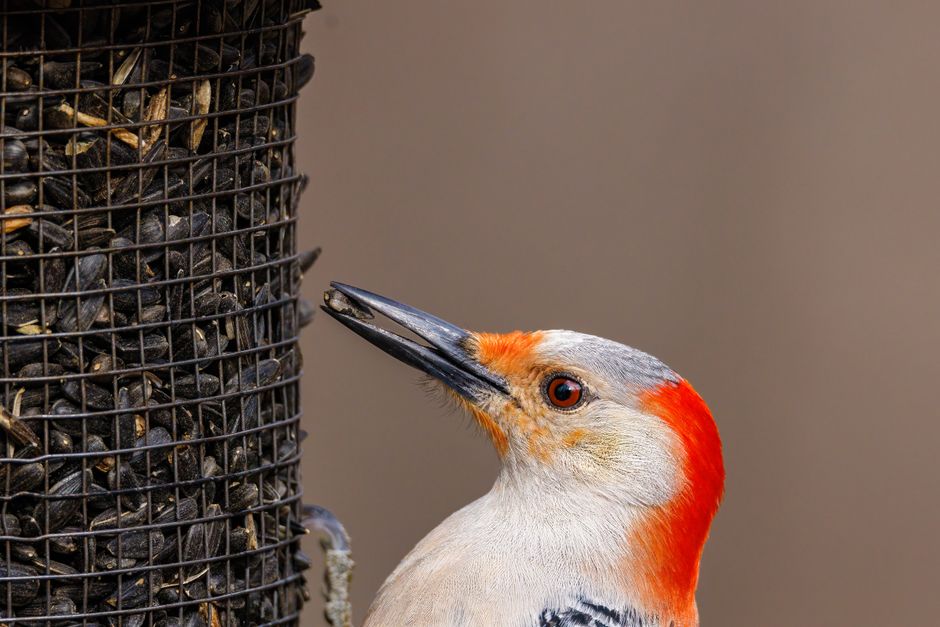
Wired has reported on a growing consumer trend around smart bird feeders — devices equipped with cameras and smartphone applications that allow users to observe and identify the birds visiting their gardens and yards. The products, according to Wired, are generating genuine purchasing momentum rather than simply marketing buzz.
This is not a story about a single gadget. It is a story about where consumer technology goes when it runs out of obvious places to be useful. For much of the past two decades, the smart home industry expanded by digitizing things people already cared about intensely — security, energy bills, entertainment. The pitch was efficiency, safety, savings. What the bird feeder moment signals is something subtler: a segment of the market is now willing to pay for technology that adds a layer of meaning to leisure, to quiet domesticity, to the simple act of watching something happen outside a window.
Bird feeding itself is an enormous and often underappreciated hobby. Tens of millions of households across the United States and United Kingdom maintain feeders, and the trade in seed, suet and equipment amounts to billions of dollars annually. It has always attracted an older demographic on average, one with disposable income, patience, and an appetite for detail — precisely the kind of consumer who will pay a premium for a product that deepens an existing ritual rather than replacing it. Smart feeder manufacturers appear to have understood this clearly.
The camera and app combination at the heart of these products is not technically exotic. What companies in this space have invested in more heavily is the software layer: machine learning models trained to identify bird species from image captures, often in real time and under variable lighting conditions. Building a reliable species-recognition engine for the dozens or hundreds of species that might appear in a suburban garden across different seasons is a non-trivial problem. Getting it right, or close to right, is what separates a novelty from something people actually recommend to friends. The Wired report's framing — that these are devices people are "actually buying" — suggests at least some players have crossed that threshold.
The broader context here involves a long-running effort by technology companies to find durable niches in the physical world after the initial wave of smart home adoption stalled. Smart speakers plateaued. Smart thermostats became a commodity. The fitness tracker market consolidated brutally. Each of those categories followed a similar arc: early excitement, rapid commoditization, a shakeout that left one or two dominant players and a graveyard of funded startups. The smart feeder category is early enough that it has not yet gone through that compression, which means the current enthusiasm carries real risk for smaller entrants even as it looks like opportunity.
The consequences of this trend ripple in several directions. For wildlife and conservation organizations, the data dimension is potentially significant. A large and engaged network of backyard cameras, each passively cataloguing species presence across geography and season, represents a form of distributed environmental sensing that professional researchers have struggled to fund. Whether the companies building these products will find ways to share or license that data with scientific institutions, or whether they will treat it as a proprietary asset, is an open question with meaningful stakes. The likely reading, given standard platform economics, is that aggregated behavioral and sighting data will be retained and monetized, though the form that monetization takes is still unclear.
For consumers, the more immediate consequence is the subscription question. Hardware margins in consumer electronics are thin, and camera-equipped devices with cloud processing requirements are expensive to operate at scale. The pattern across comparable product categories suggests that companies will either introduce recurring fees for app features and cloud storage, or rely on the sale of consumables — seed, in this case — to sustain revenue. Users who buy in at one price point should expect that the full experience will eventually carry ongoing costs.
For retailers and the broader garden and outdoor category, the smart feeder trend is a reminder that nature-adjacent products are proving quietly resilient in a market where many discretionary categories have softened. That is worth attention.
What to watch next is threefold. First, whether any of the companies currently generating buzz in this space can build the kind of community and data network that makes switching costly — the platform dynamic, in other words. Second, how established players in the traditional bird feeding and optics markets respond, given that they have distribution, brand trust and existing customer relationships that newcomers lack. And third, whether conservation and ornithological organizations move to formalize partnerships with smart feeder platforms, which would both validate the category and create a more defensible public interest argument around the data those devices collect. The window for that kind of early alignment, before commercial incentives fully calcify, is probably not wide.